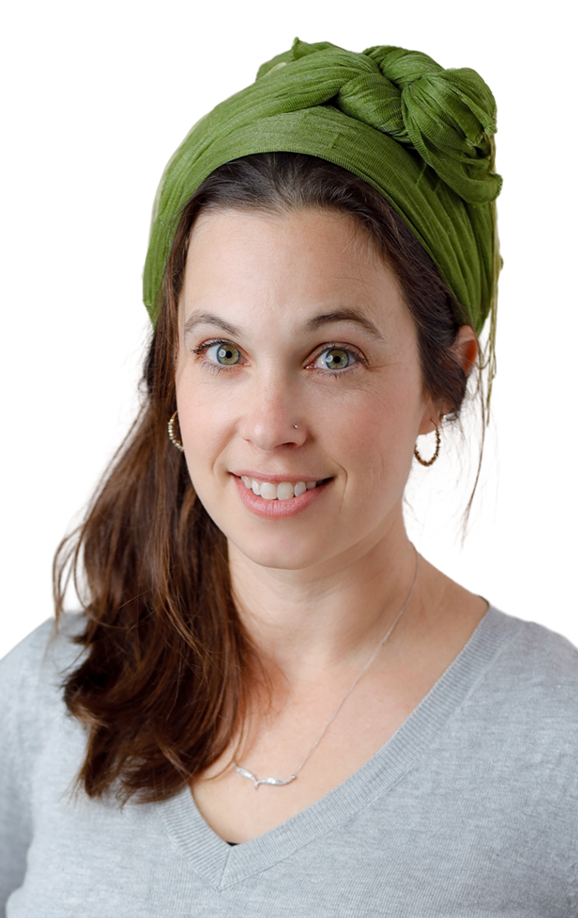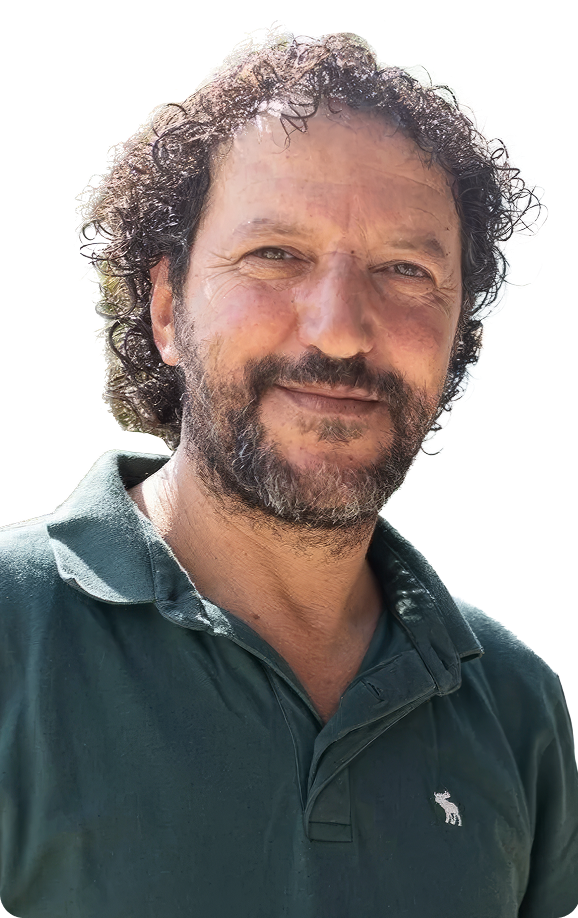
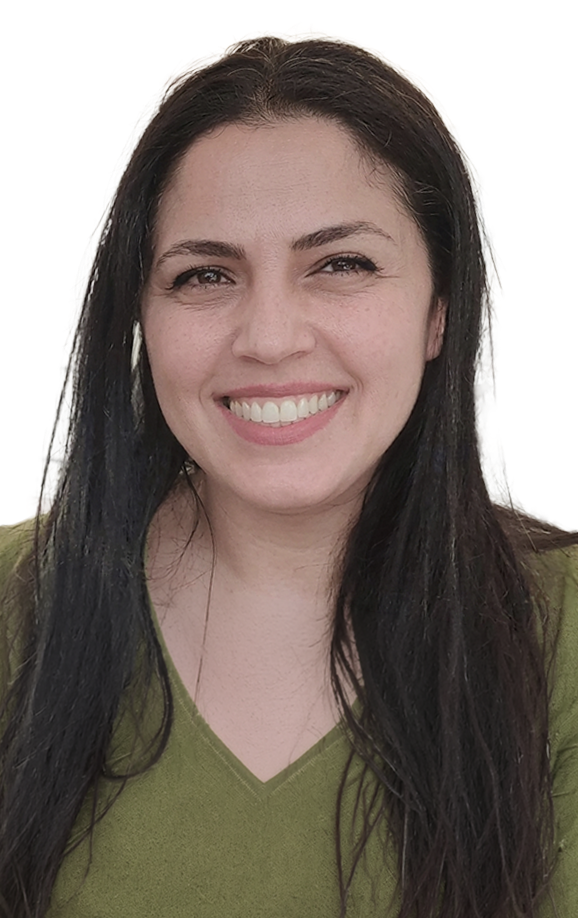
Meet Abeer Bandak
Abeer Bandak is a Palestinian dialogue facilitator who co-founded Tech2Peace to help young Palestinians and Israelis move beyond inherited fear by speaking honestly, learning together, and building practical skills side by side.
The human connection is what comes first of all, before nationality and religion — Mira Awad
Achinoam Nini and Mira Awad have spent more than two decades singing—and speaking—across a divide that others repeatedly tried to place between them.
Achinoam, known internationally as Noa, was born in Tel Aviv to a Jewish family of Yemenite heritage and spent much of her childhood in New York before returning to Israel as a teenager. Mira was born in Rameh, a Palestinian village in the Galilee, to a Palestinian father and Bulgarian mother. She grew up navigating the expectations placed on her as a girl and later discovered that becoming an artist in Israeli society brought another struggle: asserting her full identity as a Palestinian citizen without allowing others to define her.
Their paths met through music. In 2002, they recorded the Beatles’ “We Can Work It Out,” a song choice that quietly announced the spirit of their collaboration. Artistic connection became friendship, and friendship became a public refusal of the idea that Jewish and Palestinian voices could only exist in opposition.
For both women, art became inseparable from responsibility. Achinoam has used her international platform to advocate for dialogue, Palestinian self-determination, human rights, equality, and an end to violence and occupation. She has spoken and performed in spaces where recognizing Palestinian pain has exposed her to campaigns of hostility and efforts to damage her reputation and career.
Mira’s activism emerges from a different lived reality. She has spoken openly about women’s freedom, discrimination against Palestinian citizens of Israel, equal citizenship, and the exhausting demand that she repeatedly prove her loyalty—to the Israeli state on one side or to the Palestinian people on the other. Her work insists that identity cannot be reduced to a test imposed by someone else.
In 2009, they represented Israel at the Eurovision Song Contest with “There Must Be Another Way,” singing in Arabic, Hebrew, and English. Their appearance was historic, but it came amid war in Gaza and fierce criticism. Mira was condemned by some Palestinians for participating and attacked by some Jewish Israelis for representing the state. Achinoam was targeted for her public solidarity with Mira and her political positions.
Their friendship endured pressures most friendships are never asked to carry. People tried to categorize it, use it as propaganda, dismiss it, or pull it apart. Yet they continued to stand together—not because they agreed on every experience or carried the same history, but because their relationship was real.
That history gives special meaning to their collaboration with the Jerusalem Youth Chorus. In 2024, B8 of Hope supported a peace-anthem project that brought Achinoam together with 25 Palestinian and Israeli young singers from East and West Jerusalem. The process included difficult conversations about polarizing language and the divisions deepened by October 7 and the war in Gaza. Mira later added her voice, strengthening the project’s expression of Jewish-Palestinian partnership.
Their work does not claim that music can replace justice, political action, or an end to violence. It does something both humbler and braver: it creates a public space where Palestinian and Jewish voices can remain distinct and still be heard together.
Achinoam and Mira have never claimed that a song can resolve a political conflict. What their work can do is create a space in which Palestinian and Jewish voices remain present, distinct, and accountable to one another. Their collaboration with the Jerusalem Youth Chorus carried that practice to a younger generation.