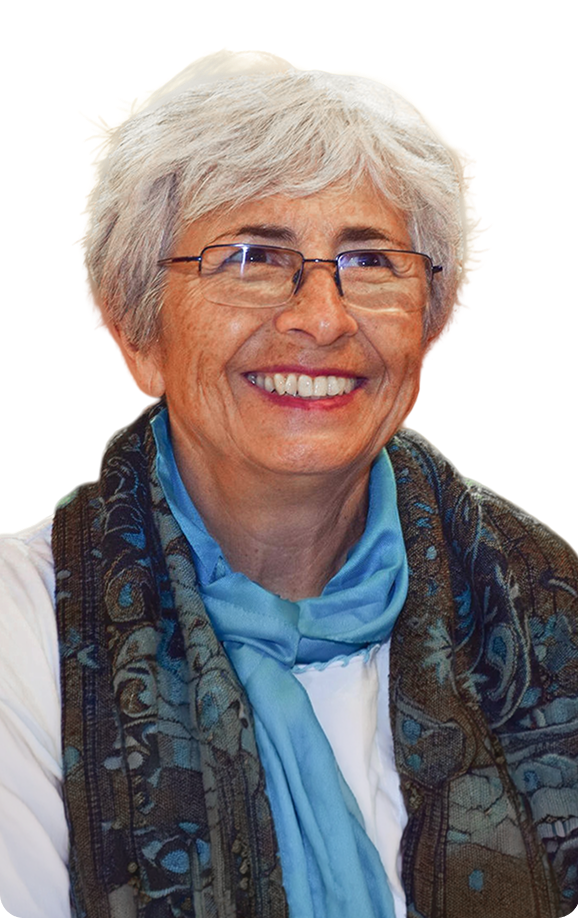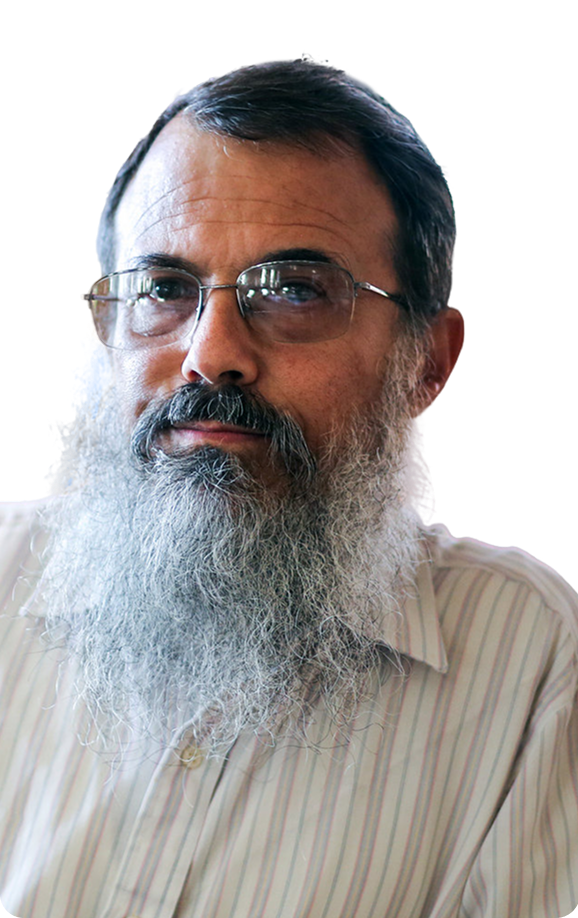
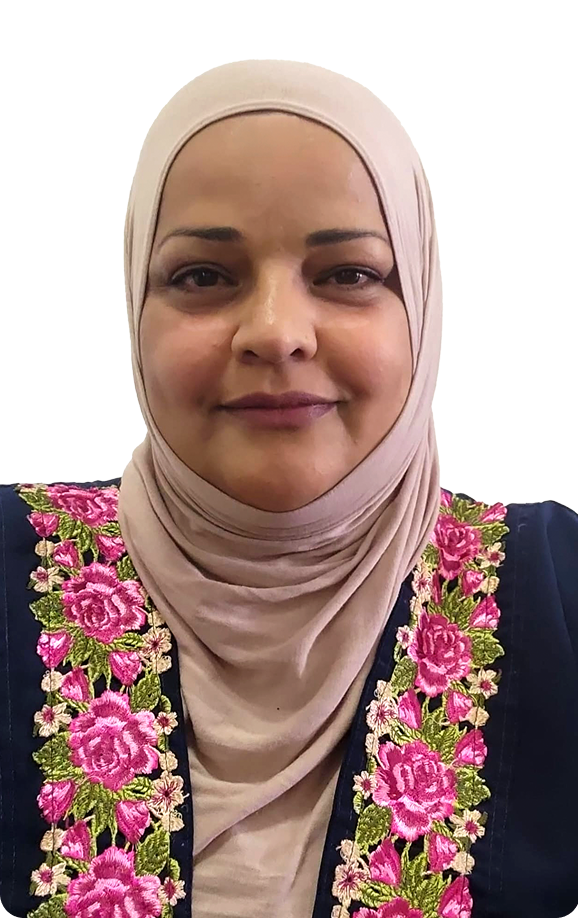
Meet Laila Alsheikh
Laila Alsheikh is a bereaved Palestinian mother from Bethlehem who chose not to let the death of her infant son Qussay become another reason for her children to hate.
Non-violence is the art of practicing your humanity
Ali Abu Awwad’s peace work was born from the place where grief and resistance meet.
He grew up near Hebron under Israeli occupation, in a Palestinian family shaped by displacement, political struggle, imprisonment, and loss. His family were refugees from Al-Qubeiba, and his mother was politically active in Fatah. As a young man during the First Intifada, Ali’s anger at the reality around him led him into confrontation with Israeli forces. He was arrested and spent years in Israeli prison.
It was there, in prison, that his understanding of resistance began to change. When Ali and his mother, who was also imprisoned, were denied the right to see each other, they went on a hunger strike. After 17 days, they were allowed to meet. For Ali, that moment became a first lesson in the power of nonviolence: not as surrender, but as a way to insist on one’s rights without losing one’s humanity.
Years later, after his brother Yousef was killed by an Israeli settler soldier, Ali faced the deepest test of that conviction. He has spoken about the pull of revenge, and about the painful realization that no act of vengeance could bring his brother back. The question became not how to answer pain with more pain, but how to turn pain into responsibility.
A turning point came when his mother welcomed bereaved Israeli families into their home through the Parents Circle – Families Forum. Ali saw Israeli parents crying for children they had lost to the same conflict. It did not erase the occupation. It did not make Palestinian and Israeli realities equal. But it gave his enemy a human face — and opened a path toward a different kind of struggle.
Ali later helped launch Roots / Judur / Shorashim, bringing Palestinians and Israeli settlers into direct encounter in the West Bank, precisely where fear, separation, and occupation are most concrete. He then founded Taghyeer / Change, a Palestinian national nonviolence movement rooted in dignity, freedom, civic responsibility, and self-determination.
At the heart of Ali’s vision is the belief that Palestinians need not only a political demand, but a nonviolence identity: a way of seeing themselves as agents of change, builders of society, and authors of their own liberation. For him, nonviolence is not passivity. It is a disciplined form of resistance, a practice of humanity, and a strategy for transforming both Palestinian society and the struggle for freedom.
For B8 of Hope, Ali’s story is foundational. His work helped inspire the organization’s creation and continues to express one of its deepest convictions: that hope is not a feeling we wait for, but a practice people build — through courage, responsibility, nonviolence, and the refusal to let either despair or hatred decide the future.