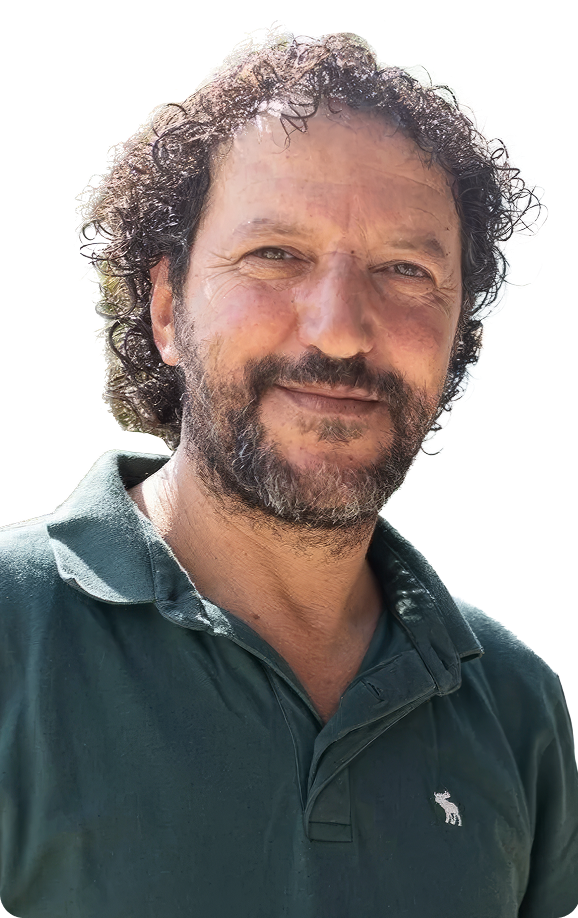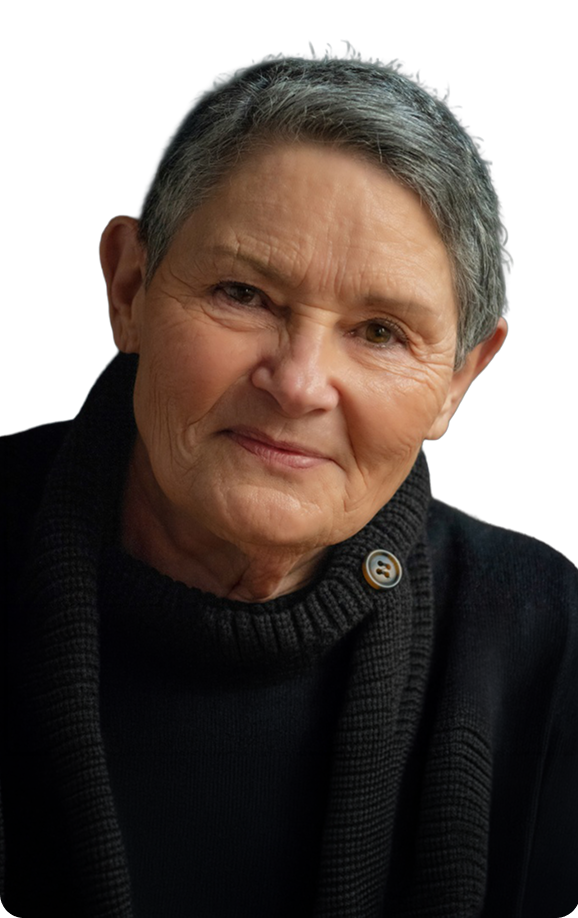
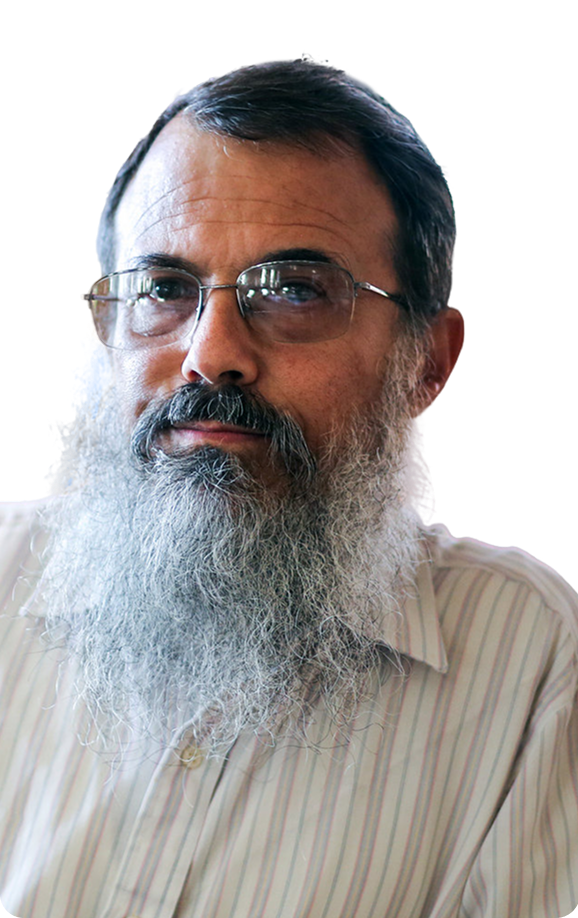
Meet Hanan Schlesinger
Rabbi Hanan Schlesinger is a former Israeli settler and Orthodox rabbi whose encounters with Palestinian neighbors transformed his understanding of truth, belonging, and the possibility of a shared future.
Revenge will never bring my son back.
For years, Laila Alsheikh did not tell her children how their baby brother had died.
She feared what the truth might do to them. If they learned that Israeli soldiers had delayed their family for hours while six-month-old Qussay struggled to breathe, perhaps their grief would become anger, and anger would become revenge. Laila had already lost one child. She was not prepared to lose another to the same cycle.
Laila was born and raised in Jordan. Her family came from Bethlehem, and her father filled her childhood with stories of Palestine. She grew up longing to see the places he described. In 1999, after meeting the man she would marry, she returned to Bethlehem to begin a new life.
She remembers that time as the fulfilment of a dream. She had returned to her roots, married, and become a mother. But the Second Intifada soon brought military incursions, closures, and severe restrictions on movement. Because she did not receive a Palestinian identity card, even visiting her family in Jordan became impossible.
In April 2002, Israeli soldiers entered her village and fired tear gas. Qussay, then six months old, became critically ill. The local clinic could not provide the treatment he needed.
His family tried to reach one hospital, but soldiers would not allow them through the checkpoint. They tried another route and found the road closed. On the way to a hospital in Hebron, they were stopped again. Soldiers searched the car and examined the men’s identity documents while the family pleaded to be allowed through.
They were delayed for more than four hours. When they finally reached the hospital, the doctor told Laila that they had arrived too late. Qussay died a few hours later.
Laila was filled with anger. For a long time, she held all Israelis responsible for what had happened. Yet she also knew that revenge would not bring Qussay back. It would harm another person who had not caused his death and leave another family with the same unbearable absence.
She eventually had another son and gave him the name Qussay. She wanted the name—and the story of the child she had lost—to remain present in the family. But she still could not speak about his death.
Many years later, a friend told her about an organization that brought bereaved Palestinians and Israelis together. Laila thought the idea was absurd. She had no interest in meeting Israelis. Her friend kept calling until she finally agreed to attend a conference in Bethlehem, mostly so that he would stop asking.
When the Israeli participants entered the room, Laila wanted to leave. Until then, the Israelis she had encountered had mostly been soldiers. Their conversations had been about permits, identity cards, roadblocks, and whether she could pass. She had never sat with bereaved Israeli families or listened to them speak about the people they had lost.
She stayed because she was curious. Palestinian and Israeli members spoke, laughed, embraced, and greeted one another like relatives. Laila could not understand how they had become so close.
She later joined the Parents Circle’s Parallel Narrative Experience. Participants learned about one another’s histories without being asked to agree or to compare whose suffering was greater. When Laila was invited to tell the story of an event that had shaped her life, she spoke about Qussay. It was the first time she had told the full story aloud—even within her own family.
She could not finish. She began to cry.
An Israeli mother came toward her. The woman said that although she had not personally harmed Laila, those who had were members of her people. She told Laila that, as a mother, she understood the words Laila could not say. Then she embraced her.
Laila has described that as the first time she felt that an Israeli cared about her pain. Those few words, she later said, brought her back to life.
She remained with the Parents Circle and began sharing her story in Palestine, Israel, and abroad. She speaks as a Palestinian mother, not as someone who has forgotten the conditions under which her son died. She continues to name occupation, movement restrictions, settler violence, unequal rights, and the daily insecurity experienced by Palestinians in the West Bank.
For Laila, reconciliation does not mean pretending that Palestinian and Israeli realities are identical. Nor does it ask bereaved people to set aside responsibility or justice. It begins with recognizing that grief must not be turned into permission to inflict more grief.
Since October 7 and the war in Gaza, Laila has spoken about intensified closures in the West Bank, the loss of employment, children unable to attend school, families without shelters, and increasing violence by settlers. At the same time, she continues to insist that every life is precious and that Palestinians and Israelis deserve what she calls a “normal life.”
B8 of Hope supports the Parents Circle and its work with bereaved Palestinian and Israeli families. Through that work, Laila carries Qussay’s story into rooms she once could not imagine entering. She speaks because she does not want another mother to experience the helplessness she knew that morning.