We Jewish people should understand the Palestinians better than anyone
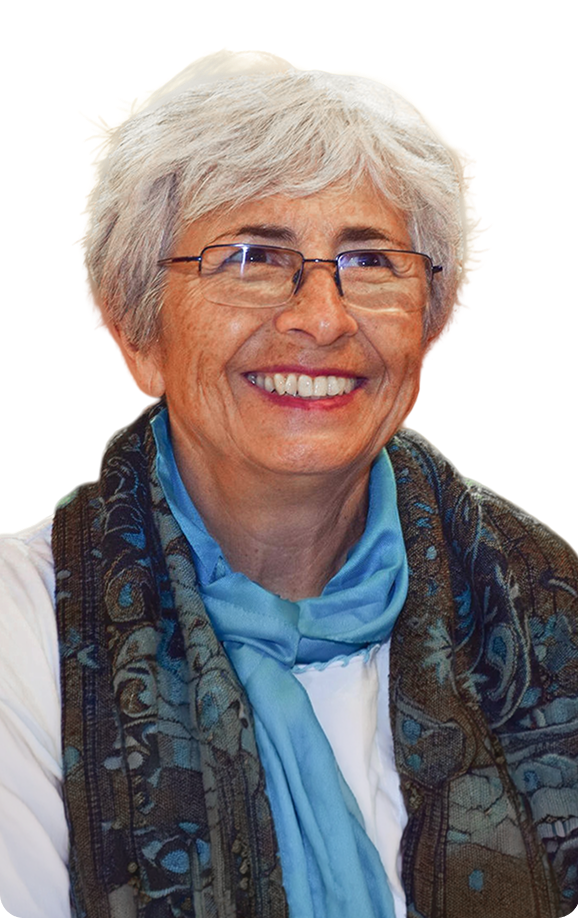
Roni Keidar’s peace work begins at the edge of a wall.
For decades, Roni has lived in Netiv HaAsara, an Israeli agricultural village just a few hundred meters from the Gaza border. From her home, the conflict is not an abstraction. It is the sound of sirens, the fear of rockets, damage to homes and greenhouses, the constant calculation of distance to shelter, and the knowledge that people on the other side of the wall are living with their own fear, grief, and confinement.
Born in Britain, Roni came to Israel and built her life there. She speaks as a Zionist who believes in the Jewish need for safety and belonging — and as a peace activist who insists that Palestinians need the same. Her work is rooted in a moral clarity that refuses the false comfort of separation: Israeli life and Palestinian life are bound together, especially on the Gaza border.
As a member of Other Voice, Roni has spent years maintaining contact with Palestinians in Gaza and advocating dialogue across one of the most sealed and painful borders in the world. In interviews and public talks, she has returned again and again to one central truth: as long as people in Gaza do not have a life worth living, people in Netiv HaAsara will not have real peace or security either.
That conviction became even more painful after October 7, when Netiv HaAsara was attacked and Roni survived. Her continued commitment to peace does not come from distance from violence, but from intimate knowledge of it. She knows Israeli fear from the inside. She also refuses to let fear become a wall around her conscience.
Through her speaking, writing, and relationships across the border, including the story she tells in On the Border of Hope, Roni asks others to practice a harder kind of hope: one that can grieve Israeli victims, oppose Hamas violence, recognize Palestinian suffering, and still insist that the future cannot be built by killing one another.
For B8 of Hope, Roni’s voice reflects the courage of people who live closest to the fire and still refuse to give up on human connection. Her story reminds us that peacebuilding is not naïveté. Sometimes it is the clearest-eyed response to life on the border.