Partner:
Road to Recovery
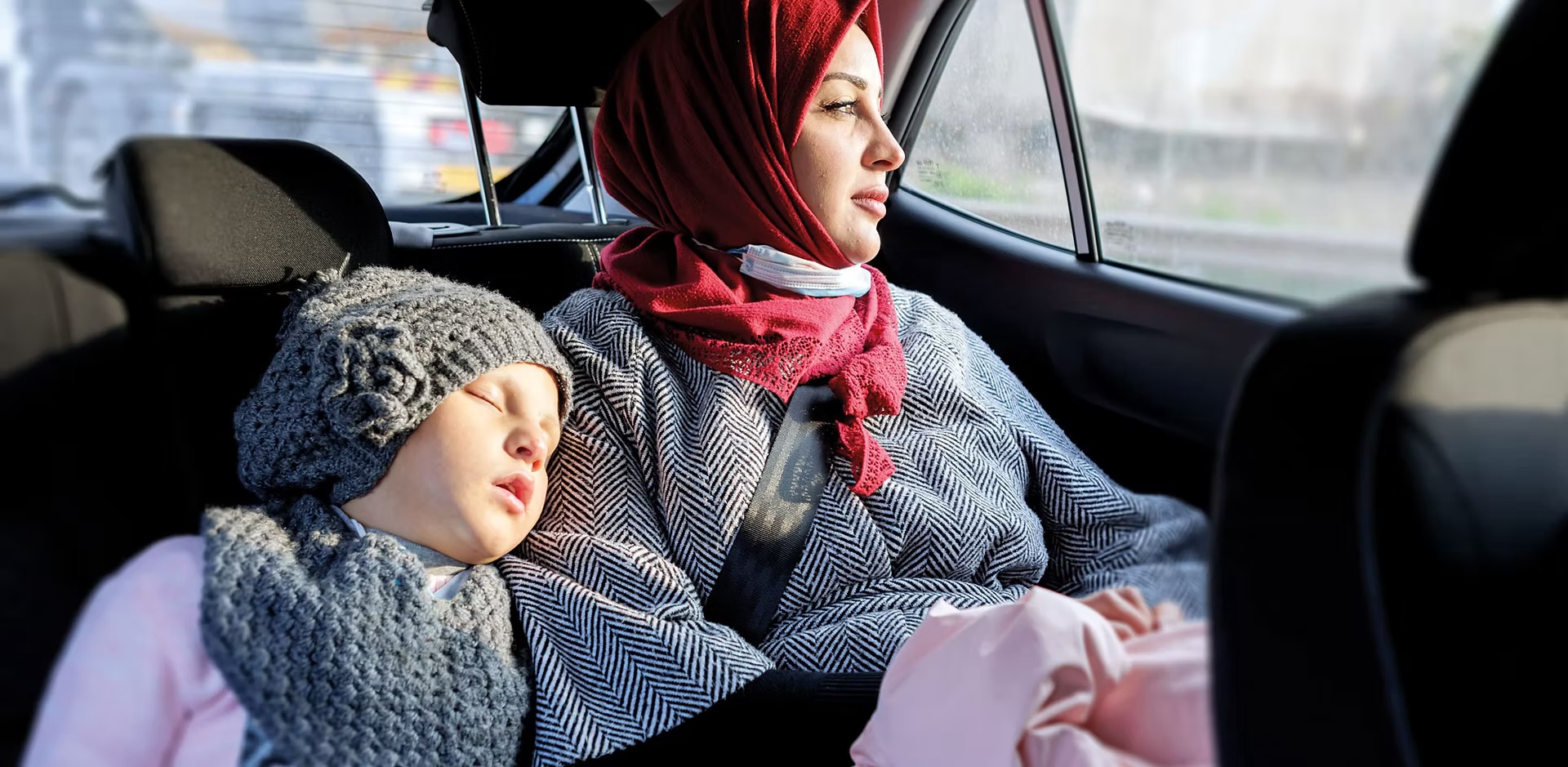
For a Palestinian child who needs treatment in an Israeli hospital, medical care does not begin at the hospital door. It begins with the question: how will we get there? Road to Recovery exists to answer that question. The organization is an Israeli volunteer network that drives Palestinian patients — primarily children — from West Bank checkpoints to hospitals in Israel for life-saving medical treatment. Before the Gaza border closure, Road to Recovery also transported patients from Gaza and continues to hold relationships with colleagues and patients there. What may look like a simple ride is often a fragile chain of trust, timing, permits, checkpoints, hospital schedules, volunteer availability, and family anxiety. In that space, practical support becomes profoundly human.
What B8 of Hope Supports
B8 of Hope’s General Grant helps sustain Road to Recovery’s core work.
This kind of support is not always visible from the outside, but it is what allows the rides to happen: the staff who coordinate requests, the communications that keep volunteers informed, the fuel reimbursements that make daily driving possible, and the ongoing care needed to hold together a large volunteer network in difficult conditions.
For Road to Recovery, core support means that when a family receives a hospital appointment, there is someone to help organize the journey. It means volunteers can keep showing up. It means the practical details behind each ride do not become barriers between a child and medical care.
What the Grant Makes Possible
B8 of Hope’s support helps Road to Recovery continue transporting Palestinian patients to hospitals in Israel, while sustaining the volunteer network behind that mission.
Each ride carries more than a patient from one place to another. It carries a parent’s worry, a child’s treatment plan, a volunteer’s decision to help, and the possibility of a human encounter across a divide that is too often defined by fear.
One volunteer, Yoel Rozenfeld, shares the story of a young Palestinian girl named Saya, whom he regularly drives to treatment with her mother. When he learned that Saya loved the beach but had not been able to go for a long time, he arranged to take them after one of her hospital visits, just after her tenth birthday.
Yoel’s daughter and young granddaughter joined them. The adults spoke together while the two girls — one Palestinian, one Israeli — quickly found their own language through play. They drank hot chocolate, walked by the sea, collected shells, held hands, and wrote their names in the sand.
It was not a formal dialogue session. It was a medical ride that became a birthday outing. But in that ordinary moment, Road to Recovery’s deeper meaning becomes visible: care can create openings that politics often closes.
Why it matters
Road to Recovery’s work is rooted in a simple act: bringing someone to the care they need.
But each ride also resists the logic of separation. It says that a Palestinian child’s life matters. It says that an Israeli volunteer can choose responsibility and compassion. It says that even in a reality shaped by conflict, violence, and mistrust, people can still meet one another through kindness.
B8 of Hope’s core support helps make these acts possible day after day. It sustains the practical infrastructure behind the compassion: the people, reimbursements, communications, and coordination that turn goodwill into reliable access to treatment.
This is why our General Grants matter. They help trusted organizations keep doing the steady, human work that rarely makes headlines — but changes lives one ride at a time.