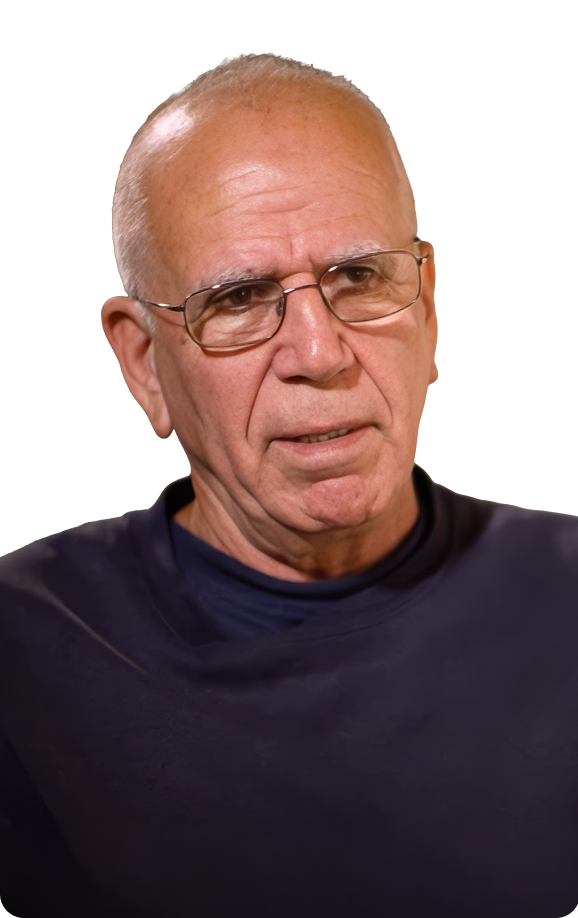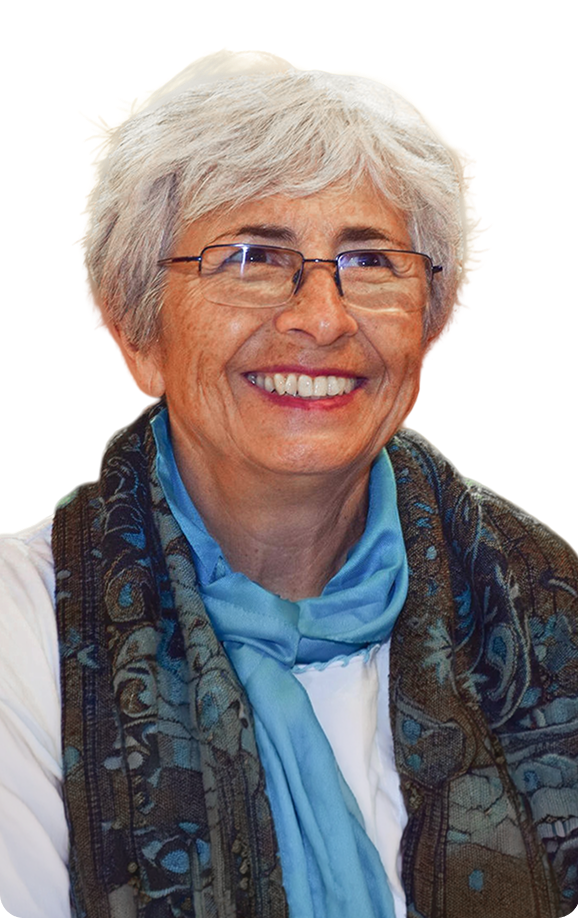
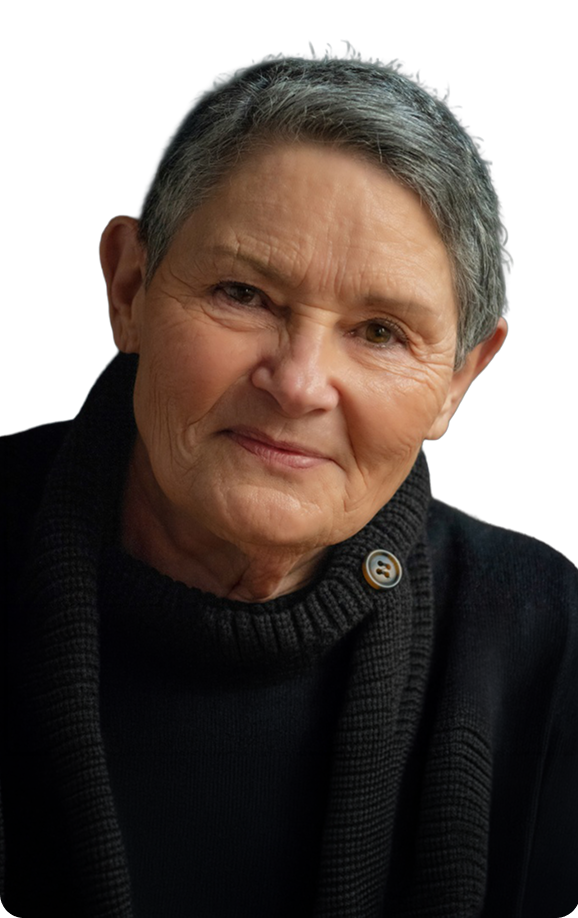
Meet Robi Damelin
Robi Damelin is a bereaved Israeli mother who transformed the loss of her son David into a powerful call for reconciliation, nonviolence, and shared humanity through the Parents Circle – Families Forum
Let the other side explain to you their identity rather than you trying to tell them who they are.
For a time, leaving Palestine seemed like the clearest way Noor A’wad could escape the life closing in around him.
When he was a child, his family moved from Amman to Beit Sahour following the Oslo Accords. Back in Palestine, Noor grew into his identity as a secular Palestinian and the descendant of a refugee family. The story he inherited held displacement and belonging together: his family had lived away from the land, but had never ceased to understand it as home.
Then the Second Intifada overtook his adolescence.
Relatives were killed or arrested. Soldiers, military restrictions, and recurring violence became part of ordinary life. Noor remembers trying to understand why his reality felt so different from the lives other young people seemed able to take for granted. The answer appeared brutally simple: he was Palestinian, and he was living under occupation.
He considered leaving.
Distance offered the possibility of another life—one not continually narrowed by decisions he had no power to make. But Palestine was still home. In the end, Noor made the harder choice to remain. Staying felt like the most responsible thing he could do, even if he did not yet know what that responsibility would require of him.
He could not have imagined that, years later, staying would bring him into sustained contact with the people he associated with so much of the hardship surrounding him.
While training as a tour guide, Noor began travelling more widely and meeting Israelis outside the situations in which he had previously encountered them. They were not soldiers checking his identification or settlers seen through the structures of occupation. They were simply people he met through his work.
These encounters did not alter the unequal reality under which Noor lived. But they began to loosen the single, faceless image he had carried.
One day, several years after receiving his tour-guide licence, Noor was finishing a tour through the West Bank with a group of American students. The day was nearly over when he was told that they had one final stop: a meeting with an Orthodox rabbi and Jewish Israeli settler named Rav Hanan Schlesinger.
Noor was frustrated.
Rav Hanan appeared to embody much of what Noor associated with Palestinian dispossession and suffering. Noor expected him to justify the settlement in which he lived and defend the wider reality surrounding it.
Instead, Rav Hanan spoke about how late in life he had truly discovered the Palestinians living around him. He described coming to understand them as a people—with their own history, identity, attachment to the land, and pain. He acknowledged the occupation and the suffering it had caused.
Noor had spent much of his life expecting that story to be denied. Hearing it named by a settler caught him off guard.
He later described feeling both recognition and empathy. The recognition came from hearing Rav Hanan acknowledge Noor’s people and the reality in which they lived. The empathy came more slowly, as Noor began to understand that Rav Hanan’s identity also carried a history and sense of belonging that Noor had never been asked to consider.
The encounter did not resolve the distance between them. It did not make Noor less Palestinian, lessen the injustice of occupation, or soften his demand for freedom. But it showed him that listening did not necessarily require surrender. He could allow another person to explain who he was without giving up the truth of his own life.
That realization stayed with him.
In 2016, Noor joined Roots–Judur–Shorashim, a Palestinian-Israeli initiative based in the West Bank. He did not enter the work because he had become comfortable with the political reality around him. He entered because he had begun to see encounter as one way of challenging it.
“To me,” Noor has said, “the work we are doing at Roots is another means of resistance.”
For Noor, that resistance begins with Palestinians speaking in their own voices. Israelis should not learn about Palestinian lives only through politicians, soldiers, or news reports. They should have to sit across from the people living under occupation and hear what military control, restricted movement, settlement expansion, and the loss of land mean in daily life.
Some of Noor’s most significant conversations are with young Israelis preparing for military service. Many have never heard a Palestinian describe his own experience, even though they may soon be serving at checkpoints or in Palestinian communities.
Noor does not imagine that one conversation can transform the system. But some participants have contacted him later and told him that meeting Palestinians at Roots affected how they behaved while serving. For Noor, those responses matter. A shift that appears small from a distance may change the experience of the Palestinian standing in front of a soldier.
His work also asks something difficult of Palestinians and Israelis alike: to allow the other person to describe his own identity.
“Let the other side explain to you their identity,” Noor has said, “rather than you trying to tell them who they are.”
That does not mean agreement, and it does not suggest that Palestinians and Israelis possess equal freedom or power. It means refusing to build one’s understanding entirely from fear, inherited assumptions, or the worst acts committed by the other side.
Noor’s decision to work with settlers has brought criticism. Some Palestinian and international activists see this kind of engagement as normalization—creating the image of peaceful coexistence while occupation continues.
Noor understands the objection. He does not believe that friendship can replace political rights, or that conversation should make an unjust reality appear acceptable. He works with settlers precisely because their community holds influence over Palestinian lives. Meeting them is not a retreat from confrontation. It is a different form of it: bringing the Palestinian story directly into spaces where it has often been ignored or denied.
Since October 7 and the war in Gaza, remaining in those spaces has become much harder.
Military closures initially separated Palestinian and Israeli members of Roots. The devastation in Gaza, the killing of Palestinian civilians and children, and the fear and grief within both communities made listening feel at times almost impossible.
Noor has not pretended that empathy comes easily under such conditions. Watching the suffering of his people can close the space he has spent years trying to keep open. At those moments, he has said, he must consciously return to what his encounters taught him: hearing another people’s pain does not diminish Palestinian pain. Recognizing another person’s humanity does not require silence about injustice.
Noor remains grounded in his identity as a Palestinian and in the demand for dignity, freedom, and an end to occupation. His work does not ask him to step outside that story. It asks him to bring it fully into the room—and to remain present long enough for it to be heard.
B8 of Hope supports Roots–Judur–Shorashim because its Palestinian and Israeli members confront the conflict within the communities where they live. Noor’s story gives that work a deeply personal meaning.